
We judge a material less by how it looks on opening day and more by how it will look in twenty years. Some materials age into something beautiful. Others just look tired. Here is how we choose.
Timber: warm, light and honest
Timber is our first choice for small buildings and interiors. It stores carbon, it is pleasant to touch and it weathers to a soft silver outside if it is detailed well. The detail matters: keep it off the ground, let water run off and let air move behind it.
Concrete: heavy and durable
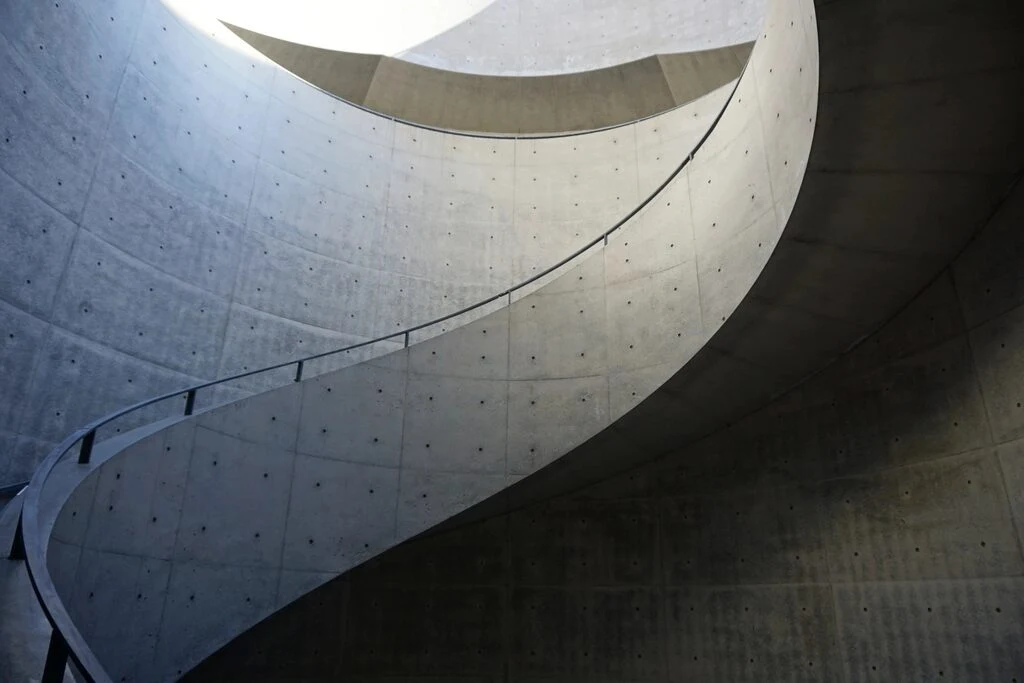
Exposed concrete can feel cold, but it brings thermal mass that keeps rooms comfortable, and it lasts for generations. We use it where its weight earns its place: floors, stairs and shared walls. Low-carbon mixes have made it a much easier choice than it was ten years ago.
Steel: slender and precise
Steel lets us make long spans and very thin frames, which is why so many bright, open spaces rely on it. It needs protection from moisture and fire, and we try to use it only where nothing else would work.
Questions we ask about every material
- Where does it come from, and how far does it travel?
- Can it be repaired instead of replaced?
- What will it look like after twenty winters?
- Can it be taken apart and reused at the end of the building’s life?
The most sustainable building is one that people still love in fifty years.
Mixing materials
Most of our projects combine all three: a concrete base, a timber frame and a few steel elements where spans demand it. The skill is in letting each material do what it is best at.